Waiting for a permanent tooth that hasn't appeared can leave you worried about what comes next. Treatment for impacted canines in Woodland Hills, CA, may guide a trapped tooth into place and fill the gap in your smile. Dr. Zarrinnia evaluates the tooth and recommends care to bring your smile and bite into better alignment.
An impacted canine is a pointed tooth near the corner of the smile that remains trapped beneath the gum or in the jawbone instead of coming into place. Canines help you bite into food and guide the way your teeth meet.
Crowding can leave too little room for a canine to emerge. An extra tooth or another obstruction can block its path, and an unusual tooth position can direct it away from the gap. Examination and imaging show where the tooth is and what may be preventing it from coming in.
Evaluation and treatment
When Should an Impacted Canine Be Evaluated?
Arrange an evaluation when a canine seems delayed or your dentist identifies a concern. An impacted canine can be painless, so regular dental examinations matter even when nothing feels wrong. Early assessment shows where the tooth is and whether space creation or other treatment could help it come into place.
Signs a Canine May Be Impacted
Persistent GapA space remains where the permanent canine should come in. An examination can show whether the tooth is delayed or blocked.
Baby CanineA baby canine stays in place longer than expected while other permanent teeth arrive. This can be a reason to check the developing tooth beneath it.
Swollen GumsSwelling near an unerupted tooth deserves a closer look, particularly if it persists or becomes tender.
Jaw DiscomfortOngoing discomfort or pain needs assessment to find the cause, which may or may not involve an impacted tooth.
Tooth eruption timing varies between children. Bring up a missing or delayed canine at a dental or orthodontic visit rather than waiting for pain.
Benefits of Evaluating and Treating Impacted Canines
Early DetectionFinding the canine and any blockage helps us plan the space or guidance it needs to come in.
Preserving TeethCreating space and guiding the canine into place can keep the natural tooth as part of the smile when its position allows.
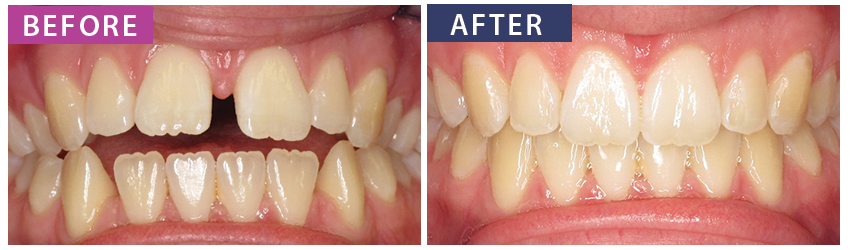
Smile AlignmentBringing the canine into the arch can fill a lasting gap and improve the way the teeth meet.
Coordinated CareWhen surgical exposure is needed, it is planned with orthodontic tooth movement so each stage works toward bringing the canine into place.
The tooth's position, root development and available space guide the recommendation. Dr. Zarrinnia explains whether orthodontic guidance is realistic or another approach would protect your long-term dental health.
What to Expect
Our Impacted Canines Process
1
Exam and Imaging
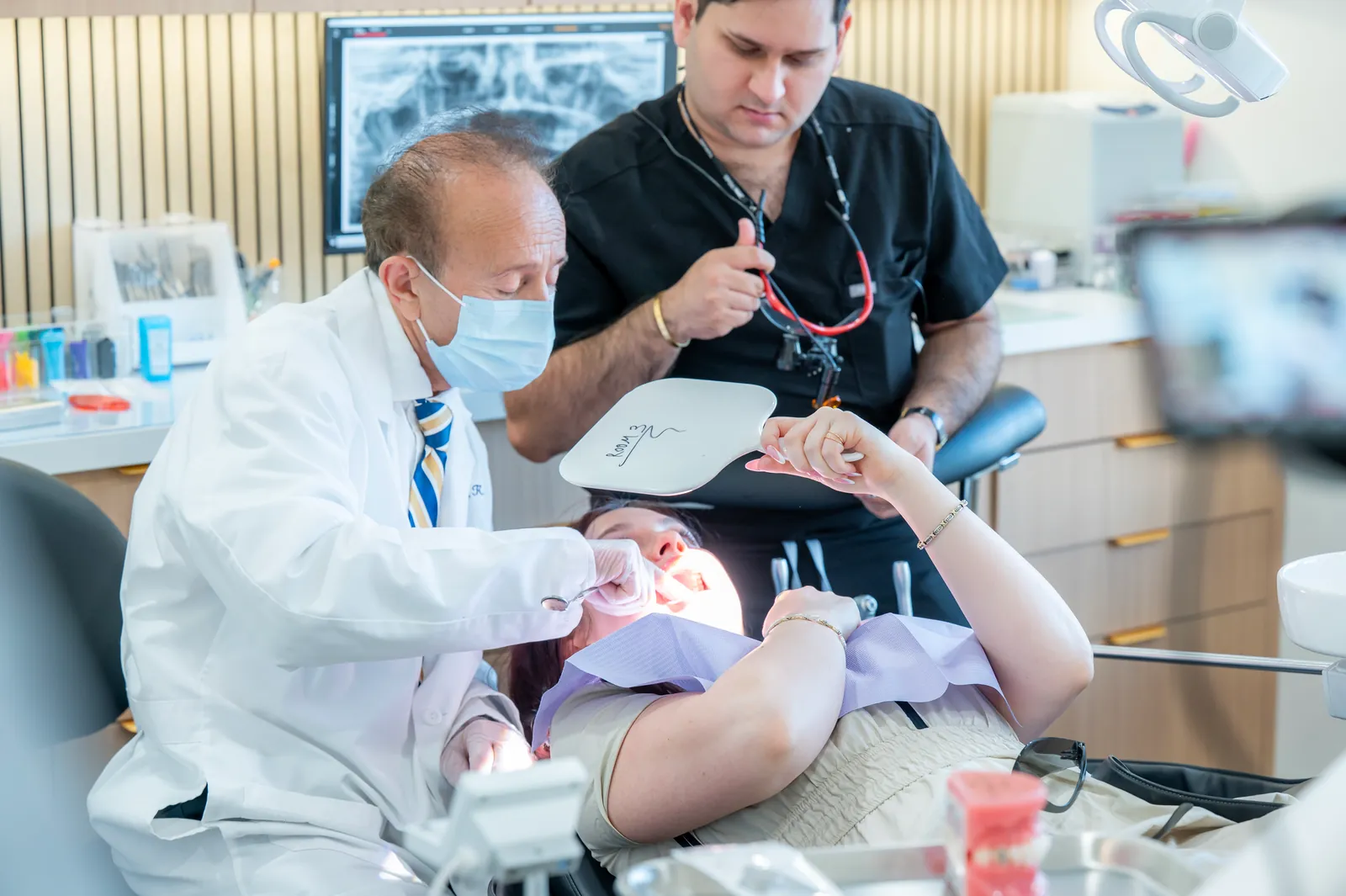
Dr. Zarrinnia examines tooth development and the space in the arch. X-rays help locate the canine. Additional 3D imaging may be recommended when more detail is needed for planning.
2
Treatment Planning
We assess the position of the canine and nearby teeth along with any obstruction. You receive an explanation of the options and if another clinician's assessment is needed.
3
Creating Space
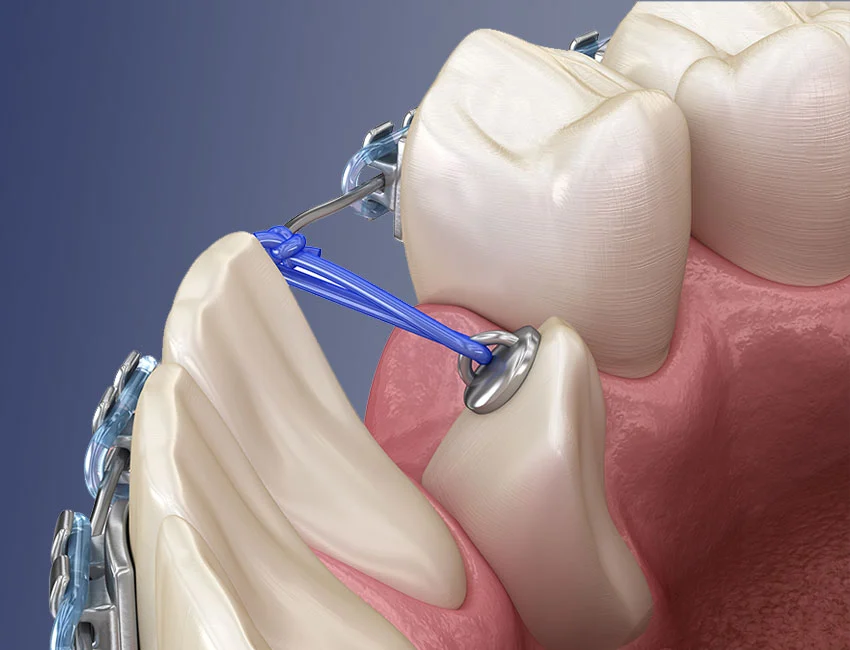
Braces may be used to create room for the canine and align the surrounding teeth. The plan depends on the tooth's location rather than age alone.
4
Exposure and Orthodontic Guidance
Some impacted canines need surgical exposure before orthodontic guidance can move them toward the arch. This can be necessary for younger patients as well as adults. A clinician performing the surgical procedure explains that part of care and its risks.
5
Other Options for Complex Cases
Some teeth cannot be predictably guided into place. Removal may be discussed when the position or other findings make it appropriate. Any plan for the remaining space considers growth and long-term dental needs. Replacement is planned with the appropriate dental clinician rather than assumed to mean an immediate implant.
Have questions about an impacted canine? Schedule a free consultation to discuss your options.
Cost depends on the tooth's position and the orthodontic care needed. Surgical exposure or other procedures may involve separate fees.
Your free orthodontic consultation helps clarify the recommended approach. We can review your policy for orthodontic benefits and discuss orthodontic financing. Ask which fees are included and obtain separate estimates for care provided elsewhere.
Free consultation
Your first visit is free. Dr. Zarrinnia reviews your needs and walks you through treatment options and fee estimates.
Insurance accepted
We accept most dental insurance plans, including PPO, and will help you understand your benefits.
“Such Great experience with Dr. Z, Alex, Cathy and all the stuff in the office! It’s been such positive experience with phenomenal results! Highly recommend this with even the most severe cases!”
PAParadise A.Google review
★★★★★
“My daughter and I love these guys! Dr. Zarrinnia, Alex, Caroline! They are truly wonderful. They always make me feel special. I have a complicated schedule going back and forth from Tucson to Los Angeles and they are always kind and accommodating. Dr.…”
ALAna L.Google review
★★★★★
“Before I went to Dr. Zarrinnia, I went to another orthodontist who wanted me to wait to work on my teeth but Dr. Zarrinnia took one look and had me on the path to beautiful teeth in no time! He is one of the most professional, educated orthodontists in…”
CDCole D.Google review
★★★★★
“I’m so impressed with Dr. Zarrinnia and his staff! My son’s orthodontic experience has been fantastic. The doctor explained the entire treatment plan clearly before getting started, which gave us both peace of mind. The staff is genuinely friendly and…”
AMAnnabella M.Google review
★★★★★
“I recently completed my orthodontic treatment with Orthodontics in Woodland Hills and couldn't be happier with the results! From my very first consultation, I felt confident and at ease with the knowledgeable and friendly staff. They took the time to…”
OOOliver O.Google review
★★★★★
“Dr. Zarrinnia, Caroline, Cathy, Raina, and Alex were all very great to work with. They were all extremely knowledgeable and caring. I highly recommend coming here for orthodontist work. Everyone was extremely kind and kept up to date with the most recent…”
MHMahdi H.Google review
★★★★★
“Excellent experience with Dr. Zarrinnia Ortho! Friendly staff, beautiful office, and outstanding care. Everyone was professional, kind, and made the visit smooth and comfortable. Truly appreciated the attention and care from the entire team!”
KRKim R.Google review
★★★★★
“Our family just adores Dr. Zarrinnia. My son got braces at about 10 and was nervous and the doctor was very kind and explained everything he would be doing along the way. The staff is wonderful and it’s just been a great experience all around. My son gets…”
It is a canine tooth that remains beneath the gum or in the jawbone instead of emerging into its expected position. Imaging helps distinguish impaction from a tooth that is simply developing later.
What causes impacted canines?
Possible contributors include crowding and extra teeth. An unusual tooth position or another obstruction along the eruption path may also be involved. The examination identifies the factors relevant to your case.
Do impacted canines run in families?
Family history can be relevant. Tell us if relatives have had impacted teeth, but an examination is still needed to understand your child's development.
Can extra teeth or growths keep a canine from coming in?
An extra tooth or another obstruction can interfere with eruption. Imaging helps identify a blockage and guide the discussion about how to address it.
What are the symptoms of an impacted canine?
An impacted canine may cause no symptoms. Possible signs include a lasting gap or swelling near the tooth. Pain has several possible causes and should be assessed rather than assumed to come from impaction.
My child's canine hasn't come in yet. Should I have it checked?
An evaluation is appropriate if the tooth seems delayed or your dentist has raised a concern. Upper canines commonly emerge in the preteen or early teen years, but timing varies. You can ask about development before then rather than waiting for a particular birthday.
How are impacted canines diagnosed?
Diagnosis combines an examination with imaging as needed. X-rays show where the tooth is and how it relates to surrounding structures. Additional 3D imaging is used when it would help clarify the plan.
Will an impacted canine always need to be removed?
Some canines can be brought into the arch with orthodontic care and surgical exposure when needed. Other positions make that approach less predictable. We explain if preservation or removal is appropriate and what each choice means for the remaining space.
What care is needed during treatment?
Follow the cleaning and appliance instructions from your orthodontic team. If a surgical procedure is part of care, follow that clinician's recovery guidance too. Keep regular dental visits and report increasing pain or swelling promptly.

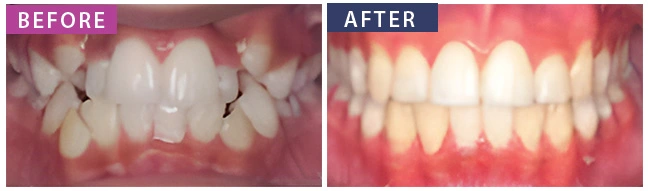
 Patient 1
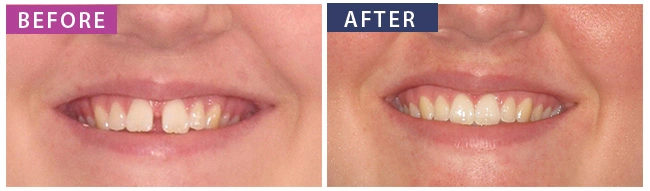
 Patient 2
 Patient 3