Jaws that don't line up can make chewing difficult and affect how you feel about your smile. Surgical orthodontics in Woodland Hills, CA, combines jaw surgery with orthodontic care when braces alone cannot address the problem. The goal is a more balanced bite and greater comfort in daily life.
Surgical orthodontics combines tooth straightening with corrective jaw surgery to improve the bite and facial balance. Jaw surgery is also called orthognathic surgery. This combined approach treats jaw relationships that braces alone cannot fully correct.
The orthodontist aligns the teeth before and after surgery as needed. An oral and maxillofacial surgeon evaluates the jaws and performs the recommended operation to reposition them. Together, orthodontic and surgical planning address how your teeth meet and how your jaws function.
Is it right for you?
Is Surgical Orthodontics Right for You?
Surgical orthodontics may be recommended when the underlying jaw relationship prevents braces alone from correcting the bite. The evaluation distinguishes jaw position from tooth alignment and compares surgical and nonsurgical options. Jaw growth is also assessed because corrective jaw surgery is generally planned after growth is complete.
Signs You May Need Surgical Orthodontics
Severe OverbiteThe upper front teeth cover too much of the lower front teeth when the mouth closes. A deep bite involving the jaw relationship may need more than tooth movement to correct it.
UnderbiteAn underbite places the lower front teeth ahead of the upper front teeth. When an underlying jaw mismatch causes it, surgery can address the skeletal relationship that tooth movement alone cannot correct.
Facial AsymmetryDifferences in jaw position may make one side of the face look different from the other. Treatment considers both facial balance and how the bite works.
Open BiteThe front teeth remain apart when the back teeth close together. This gap can make it difficult to bite through food with the front teeth.
Jaw ProfileA jaw that sits too far forward or back can affect the facial profile and bite. Repositioning the jaw can improve their relationship.
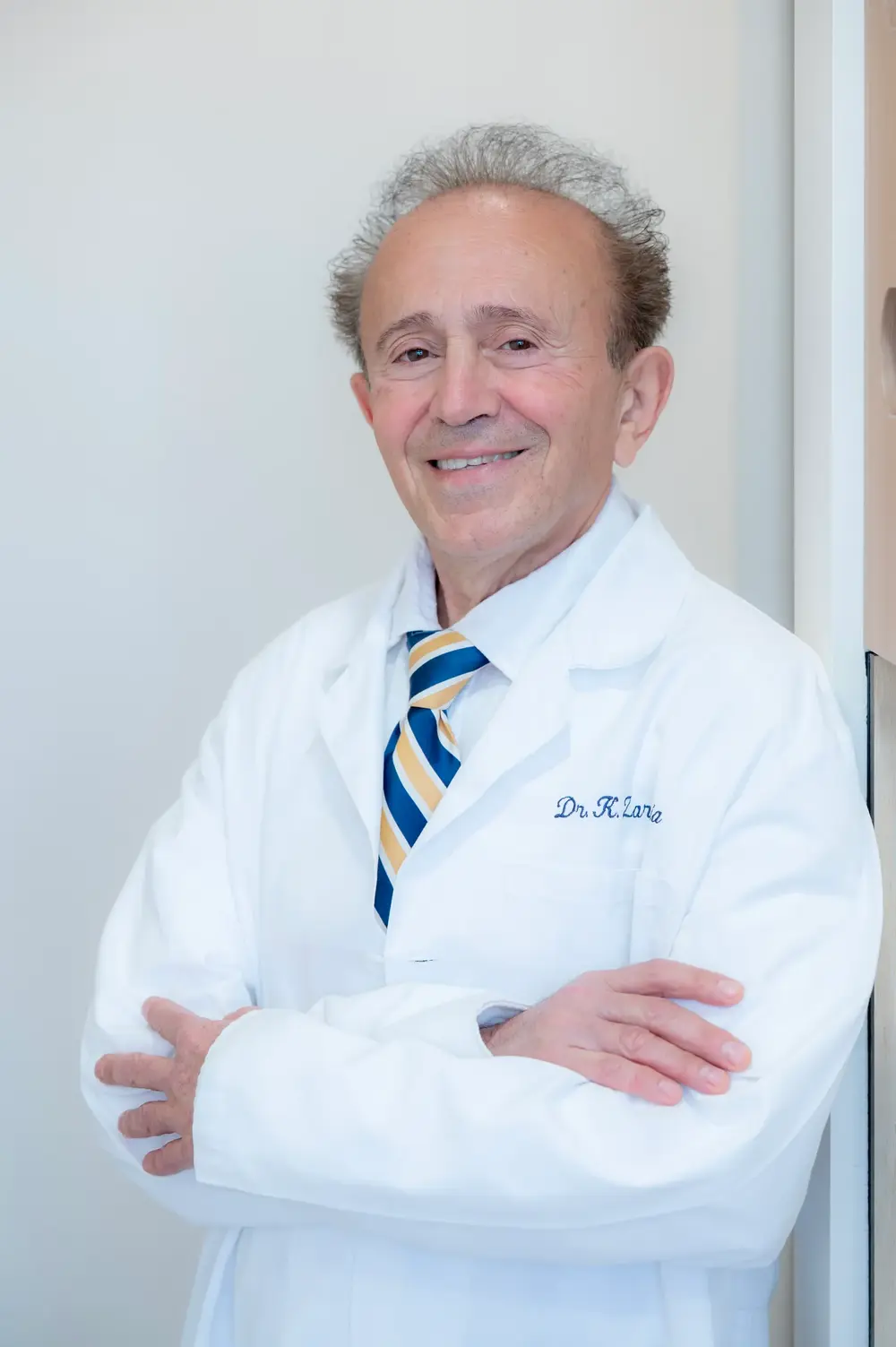
Dr. Zarrinnia assesses the cause of the bite problem and explains whether a surgical consultation is recommended.
The Benefits of Surgical Orthodontics
Bite FunctionBringing the jaws and teeth into a better relationship can improve biting and chewing comfort.
Facial BalanceCorrecting a receding or protruding jaw or jaw-related asymmetry can create a more balanced profile.
Smile ConfidenceChanges in the bite and facial appearance can help you feel more confident about your smile.
Combined treatment addresses the jaw position as well as tooth alignment. The orthodontist and surgeon explain the changes they recommend and what those changes can achieve for your bite.
What to Expect
Our Surgical Orthodontics Process
1
Initial Consultation
Dr. Zarrinnia examines your bite and discusses your goals. Records help assess the jaw relationship and if a surgical consultation is appropriate. A surgeon's assessment is needed before a surgical plan can be finalized.
2
Orthodontic Treatment First
Braces may first move your teeth into positions that will fit together after the jaws are repositioned. This prepares the bite for the planned surgery. Dr. Zarrinnia and the surgeon coordinate the sequence before treatment begins.
3
Surgery
An oral and maxillofacial surgeon performs the recommended jaw procedure. The surgeon explains the operation and its risks as well as recovery requirements and the surgical setting.
4
Orthodontics After Surgery
Further orthodontic treatment refines tooth positions as the bite settles. The timing of adjustments is coordinated with healing and the surgeon's guidance.
5
Recovery and Follow-Up
Follow-up care includes surgical healing checks and orthodontic progress visits. After active treatment, retainers help maintain tooth alignment. Your teams provide instructions for each stage.
Is surgical orthodontics right for you? Find out at your free consultation.
The overall cost depends on both orthodontic and surgical care. Your free orthodontic consultation is a starting point for understanding the recommended approach.
Ask which orthodontic fees are included and which estimates come from the surgeon or surgical facility. Orthodontic financing and insurance information may not apply to all surgical charges. Review financing and insurance information and confirm benefits with the relevant providers before treatment.
Free consultation
Your first visit is free. Dr. Zarrinnia reviews your needs and walks you through treatment options and fee estimates.
Insurance accepted
We accept most dental insurance plans, including PPO, and will help you understand your benefits.
Dr. Kourosh Zarrinnia brings more than 20 years of orthodontic experience to assessing tooth alignment and bite relationships.
Customized Plans
The orthodontic plan reflects your jaw relationship and treatment goals. We explain the role and limits of tooth movement.
Surgeon and Orthodontist Together
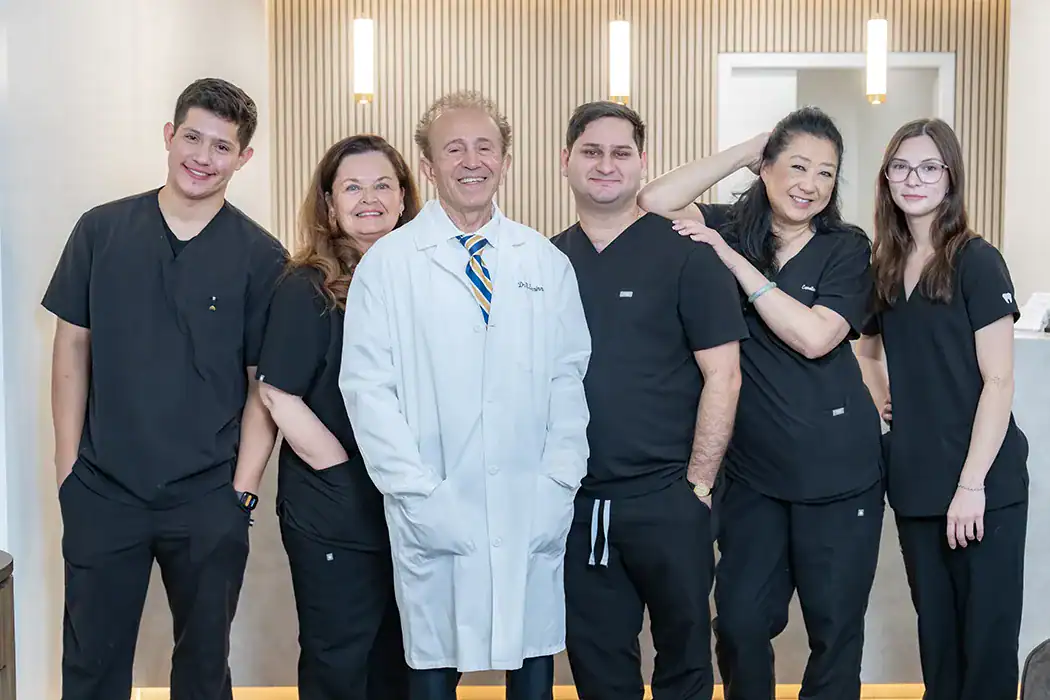
Combined treatment requires coordination between orthodontic care and an oral and maxillofacial surgeon. Each clinician has a defined role in planning and follow-up.
Free Consultation
Discuss your concerns and learn if a surgical assessment belongs in the next stage of planning.
Real results
Real patients, real results
Before and after photos from patients treated at our Woodland Hills office.
“If surgery is not a viable option, Dr Zarrinnia provides MSE which helps to expand the upper jaw and better expand your airways in order to breathe more functionally than with a narrow palate. Highly recommend if you want a more holistic approach.”
JBJohn B.Google review
★★★★★
“I've been going to Dr. Zarrinnia for 10 years now and he has taken care of me with compassion and professionalism since day one. I also want to shout out the amazing staff, including Caroline, Cathy, Raina, and Alex. They are a big part of why I always…”
DIDavid I.Google review
★★★★★
“Such Great experience with Dr. Z, Alex, Cathy and all the stuff in the office! It’s been such positive experience with phenomenal results! Highly recommend this with even the most severe cases!”
PAParadise A.Google review
★★★★★
“Dr. Zarrinnia is a master at his craft. My daughter's teeth, pallet and jaw alignment were very off. I had no idea how badly until Dr. Z fixed it! After 3 years of braces, we are so impressed with final outcome. Her entire facial structure has been aligned…”
MOMari O.Google review
★★★★★
“My teeth used to be crooked and unaligned. After getting set with braces and then taking them off, my teeth are now aligned and I no longer have an overbite. Dr. Zarinnia and all his staff were incredibly understanding and experienced throughout my…”
JRJonathan R.Google review
★★★★★
“My daughter and I love these guys! Dr. Zarrinnia, Alex, Caroline! They are truly wonderful. They always make me feel special. I have a complicated schedule going back and forth from Tucson to Los Angeles and they are always kind and accommodating. Dr.…”
ALAna L.Google review
★★★★★
“Not only does doctor align the teeth he also does dental facial orthodontics. Meaning he aligns the jaw and doesn’t only straighten the teeth. Doctor and staff had made me feel at home every time I come in. My teeth and bite have never been better all…”
RMRaina M.Google review
★★★★★
“Before I went to Dr. Zarrinnia, I went to another orthodontist who wanted me to wait to work on my teeth but Dr. Zarrinnia took one look and had me on the path to beautiful teeth in no time! He is one of the most professional, educated orthodontists in…”
Frequently Asked Questions About Surgical Orthodontics
What is surgical orthodontics?
It is orthodontic treatment coordinated with corrective jaw surgery. Braces move teeth while surgery changes jaw position. They may be used together when a skeletal bite concern cannot be fully corrected with orthodontics alone.
When is surgical orthodontics needed?
It may be recommended when the jaw relationship prevents an acceptable result with orthodontics alone. The decision depends on records and clinical assessment as well as your goals. Surgery is considered alongside appropriate alternatives.
Can surgical orthodontics help with a severe overbite or underbite?
It may help when the bite concern comes from the jaws rather than tooth position alone. The evaluation distinguishes between these causes. Severity by itself does not determine the treatment.
Can surgery correct facial asymmetry or a receding or protruding jaw?
Jaw surgery may improve these concerns when they arise from jaw position or structure. Expected changes depend on the anatomy and surgical plan. The surgeon explains the likely benefits and limits.
Can an open bite be fixed with surgical orthodontics?
Some open bites require combined orthodontic and surgical care. Others can be treated without surgery. An evaluation identifies the cause and suitable options.
Will I need braces before surgery?
Braces are often part of preparation, but the sequence is individualized. Teeth may need repositioning so they can fit together after the jaws are moved. We explain the planned order before treatment begins.
What are the steps of surgical orthodontic treatment?
Care generally includes assessment and planning followed by any preparatory orthodontics. Surgery is followed by healing checks and further orthodontic adjustments when appropriate. Retention follows active tooth alignment.
What happens after surgery?
You follow the surgeon's recovery instructions and attend the recommended follow-ups. Orthodontic care continues according to the coordinated plan. Follow instructions for food and oral hygiene as well as activity restrictions and contact guidance.
What should I ask about recovery and treatment risks?
Ask the surgeon about expected swelling and diet changes as well as time away from work or school. Discuss procedure-specific risks and the symptoms that need prompt attention. Recovery and total treatment time vary, so obtain an estimate for your own plan.

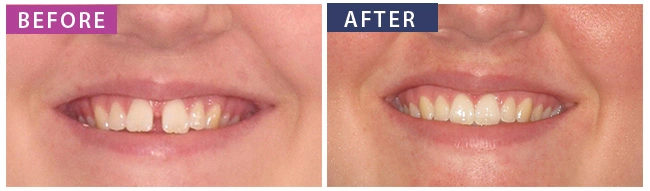 Patient 3
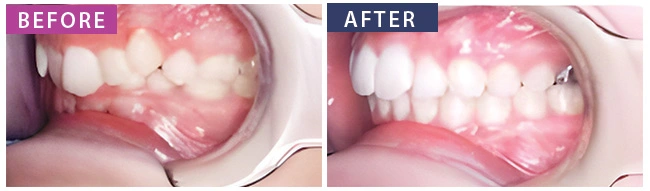 Patient 4
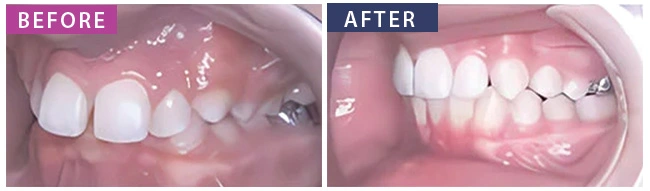 Patient 5